

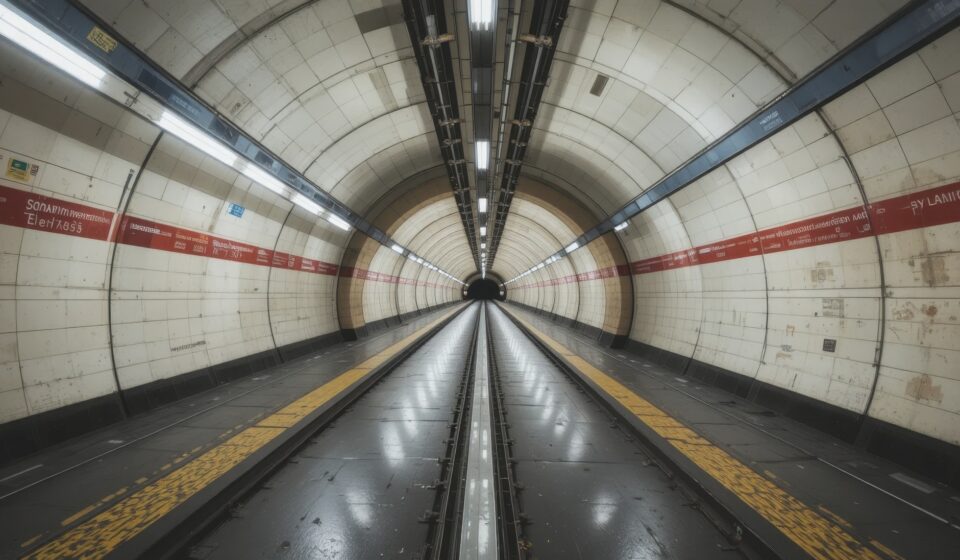

Beneath Britain’s streets lies a remarkable collection of tunnels, chambers, abandoned infrastructure and forgotten spaces. Most people walk above these hidden environments every day without giving them a second thought.
From former railway tunnels and wartime shelters to underground reservoirs and historic passageways, the world beneath our feet tells a fascinating story about how towns and cities have developed.
While some underground locations remain closed for safety or security reasons, others have been preserved, adapted or opened to visitors, offering a glimpse into parts of British history that are rarely visible from street level.
A Hidden Layer of Urban History
As towns and cities expanded, the need for infrastructure increased. Water supplies, drainage systems, transport networks and storage facilities all required space, and building underground often provided a practical solution.
Some structures were constructed deliberately beneath existing streets, while others became buried as ground levels changed and new buildings appeared.
In older urban areas, successive generations of development have created layers of history. A modern shopping street might sit above Victorian cellars, former service tunnels or the foundations of buildings demolished decades earlier.
These spaces offer historians and archaeologists valuable information about everyday life, trade and the changing organisation of cities.
The Legacy of Underground Transport
Railway development created some of Britain’s most extensive underground structures.
London’s Underground network is the most obvious example, but tunnels, disused stations and former railway infrastructure can be found across the country.
As transport requirements changed, certain routes were abandoned, redesigned or incorporated into newer systems.
Some former railway tunnels have found new purposes as walking and cycling routes. Others remain sealed, awaiting potential redevelopment or simply existing as reminders of earlier transport ambitions.
The engineering involved in constructing these spaces is often impressive, particularly when considering the limited machinery available to nineteenth-century workers.
Building beneath busy streets required careful planning, substantial physical labour and solutions to problems involving groundwater, ventilation and structural stability.
Wartime Shelters and Civil Defence
The Second World War added another chapter to Britain’s underground history.
Air-raid shelters were constructed in many forms, from small domestic structures to extensive communal facilities.
Existing underground spaces, including railway stations and tunnels, were also used to provide protection during bombing raids.
Some shelters included sleeping areas, basic sanitation and arrangements for accommodating large numbers of people.
Although many were dismantled or repurposed after the war, surviving examples provide an important record of civilian experiences during the conflict.
They also reveal how communities adapted familiar spaces to meet extraordinary circumstances.
Underground Water and Storage Systems
Not every remarkable underground structure was designed for transport or protection.
Historic reservoirs, waterworks and storage chambers demonstrate how engineers solved practical problems associated with growing populations.
Large underground reservoirs could store substantial quantities of water while protecting supplies from contamination and temperature fluctuations.
Some feature impressive brick arches, columns and vaulted ceilings that resemble underground halls.
Industrial sites also made extensive use of cellars and tunnels for storing goods, moving materials and maintaining stable temperatures.
Breweries, warehouses and other businesses sometimes developed underground facilities that became essential parts of their operations.
Why These Places Capture the Imagination
Part of the fascination with underground spaces comes from the contrast between familiar surroundings and hidden environments.
A busy road or ordinary-looking building may conceal something completely unexpected.
Underground locations can also create a strong sense of atmosphere. Unusual acoustics, limited natural light and the absence of everyday street activity make them feel removed from the modern world.
For photographers, historians and architecture enthusiasts, these environments offer distinctive subjects and opportunities for research.
However, exploring abandoned structures without permission can be dangerous. Unstable surfaces, flooding, poor air quality and restricted access make organised visits and authorised tours the safer choice.
Preserving What Lies Beneath
Maintaining underground heritage presents challenges.
Structures may deteriorate through water damage, movement in surrounding ground or changes to nearby buildings.
Some sites are difficult to access, while others interfere with modern construction projects.
Preservation organisations, local authorities and heritage groups must balance historical importance with safety, cost and practical use.
Where appropriate, opening sites to visitors can help raise awareness and generate support for their conservation.
A Different View of Familiar Places
Britain’s underground spaces remind us that the visible city is only part of the story.
Every tunnel, chamber and buried structure reflects decisions made by earlier generations about transport, industry, safety or daily life.
Exploring their history offers a different perspective on familiar streets and buildings, revealing how much of the past remains hidden just beneath the surface.