


From vinyl records and instant cameras to cassette players and traditional alarm clocks, technology that once seemed destined for the history books is finding a new audience.
In an age of smartphones, streaming services and increasingly sophisticated digital devices, the renewed interest in older technology might seem surprising. After all, modern alternatives are generally faster, more convenient and capable of performing far more functions.
Yet convenience is not always the deciding factor when people choose the products they use.
For some, vintage technology offers nostalgia and familiarity. For others, the attraction lies in physical interaction, distinctive design or the opportunity to escape the constant connectivity of modern life.
The Appeal of Physical Experiences
One of the most noticeable differences between older and newer technology is the way people interact with it.
Streaming a song requires little more than tapping a screen. Playing a vinyl record involves removing it from its sleeve, placing it on a turntable and lowering the stylus.
Neither approach is inherently better, but the experiences are very different.
Physical media encourages a more deliberate interaction with music, photography and entertainment.
A record collection occupies space, displays artwork and creates a visible record of personal interests. Similarly, printed photographs can be displayed, collected or passed between friends and family.
These tangible qualities help explain why some people continue to value physical formats even when digital alternatives are readily available.
Vinyl Records and the Return of Analogue Music
Vinyl records provide one of the clearest examples of an older format finding renewed popularity.
Although digital music offers extraordinary convenience, vinyl has maintained an enthusiastic following among collectors and music lovers.
Part of its attraction comes from the physical presentation.
Album covers provide space for artwork, photography and accompanying information that may receive less attention on a streaming platform.
The act of selecting and playing a record can also encourage listeners to experience an album as a complete work rather than a collection of individual tracks.
Sound quality is another frequently discussed factor, although preferences depend on the recording, mastering, playback equipment and listener.
For many enthusiasts, the appeal is less about proving one format technically superior and more about enjoying a different relationship with music.
Why Instant Photography Still Has Fans
Digital photography has made taking pictures almost effortless.
Modern smartphones can capture hundreds of photographs, store them automatically and allow users to edit or share them within seconds.
Instant cameras offer a contrasting experience.
Photographs are produced as physical prints, often with distinctive colours, textures and imperfections.
Because instant film has a cost, users may think more carefully before taking each picture.
The resulting photographs can become keepsakes rather than files that remain forgotten in a digital gallery.
Instant photography is particularly popular for celebrations, social occasions and creative projects where the physical image forms part of the experience.
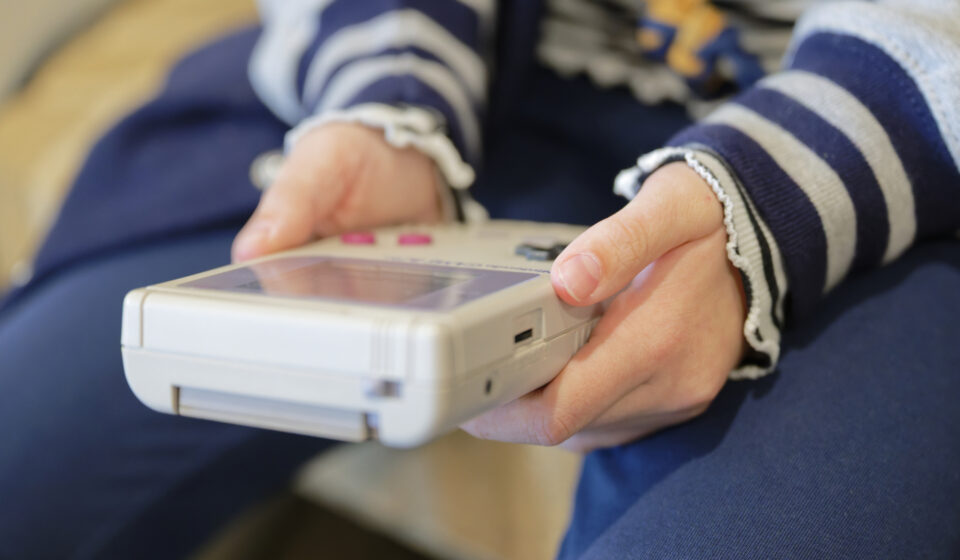
The Charm of Older Gaming Consoles
Retro gaming has developed into a substantial area of interest for collectors and players.
Consoles and games from earlier generations remain appealing because of their distinctive graphics, soundtracks and gameplay.
Older titles were often designed around the technical limitations of their hardware.
Developers had to create engaging experiences using comparatively limited memory, processing power and graphical capabilities.
These restrictions sometimes encouraged inventive approaches to game design.
For players who grew up with particular consoles, returning to familiar games can provide a powerful sense of nostalgia.
Younger audiences may appreciate the opportunity to explore influential titles that helped shape modern gaming.
However, collecting original hardware can involve practical challenges, including ageing components, compatibility with modern televisions and the increasing cost of certain games.
Technology That Does Less Can Sometimes Feel Better
Modern smartphones combine communication, photography, navigation, entertainment, banking and countless other functions.
This versatility is useful, but it also means that a single device can generate a constant stream of notifications and distractions.
Some people are deliberately choosing simpler devices for particular activities.
A dedicated music player, traditional alarm clock or basic mobile phone may offer fewer features but also fewer interruptions.
The appeal lies in separating activities rather than managing everything through one screen.
Using an alarm clock instead of a smartphone, for example, can remove the temptation to check messages or social media immediately before sleeping.
Similarly, reading on a dedicated e-reader or listening to music through a separate device may help create a more focused experience.
Repairability and Longevity
Another reason older technology attracts attention is its potential for maintenance and repair.
Some vintage electronic products were designed with replaceable components and relatively accessible internal construction.
Enthusiasts may be able to restore equipment by replacing worn belts, switches, capacitors or other parts.
This has helped create communities dedicated to repairing and preserving older devices.
However, vintage technology is not automatically more durable or easier to maintain than modern equipment.
Replacement components can be difficult to obtain, and electrical safety should always be considered when working with ageing devices.
Nevertheless, the repair culture surrounding older products reflects a broader interest in extending the useful life of possessions.
Nostalgia Is Only Part of the Story
It would be easy to explain the popularity of vintage technology entirely through nostalgia.
Certainly, people often develop strong emotional connections with products associated with childhood, family experiences or particular periods of their lives.
But nostalgia does not explain why younger generations are discovering formats that were popular before they were born.
Design plays an important role.
Older cameras, radios, music players and gaming consoles often have distinctive visual identities that make them attractive as objects in their own right.
There is also an element of curiosity.
Experiencing technology from another era can provide insight into how people previously communicated, worked and entertained themselves.
For some enthusiasts, collecting vintage devices becomes a way of exploring technological history.
How Modern Brands Are Responding
Manufacturers have recognised the continuing appeal of retro-inspired products.
Modern turntables, instant cameras and gaming systems frequently combine familiar styling with contemporary features.
Some devices recreate the appearance of older technology while incorporating USB connections, wireless functionality or digital storage.
Others focus on preserving a more traditional experience.
This combination allows consumers to enjoy elements of vintage design without necessarily dealing with the maintenance demands of original equipment.
However, retro styling does not always guarantee good performance, so buyers still need to consider build quality, compatibility and practical requirements.
The Environmental Question
Keeping existing products in use can help reduce demand for newly manufactured equipment.
Repairing a functioning device rather than replacing it may also prevent unnecessary waste.
However, the environmental benefits of vintage technology depend on several factors.
Older appliances can sometimes consume considerably more energy than modern equivalents, while replacement parts and restoration work may involve additional resources.
The most sustainable choice is not always the oldest product.
Considering durability, energy consumption, repairability and actual usage provides a more balanced approach.
Finding a Balance Between Old and New
The renewed interest in vintage technology does not suggest that people want to abandon modern innovations.
Digital services, smartphones and connected devices offer enormous practical advantages.
Instead, the trend demonstrates that technological progress does not automatically make every earlier experience irrelevant.
A vinyl record can coexist with a streaming subscription. An instant camera can complement a smartphone. A classic gaming console can sit alongside the latest gaming hardware.
Different technologies can serve different purposes.
Why the Past Still Has a Place in the Future
Vintage technology continues to attract attention because products offer more than their technical specifications.
They create experiences, memories and opportunities for personal expression.
While modern devices are often designed around speed and convenience, older formats can encourage people to slow down, interact more deliberately and appreciate the process as much as the result.
The continued popularity of these products shows that innovation and nostalgia are not necessarily opposites.
Sometimes, the most interesting way to appreciate modern technology is to rediscover what came before it.